How Car Key Replacement Works — Cut, Code, and Program in One Visit
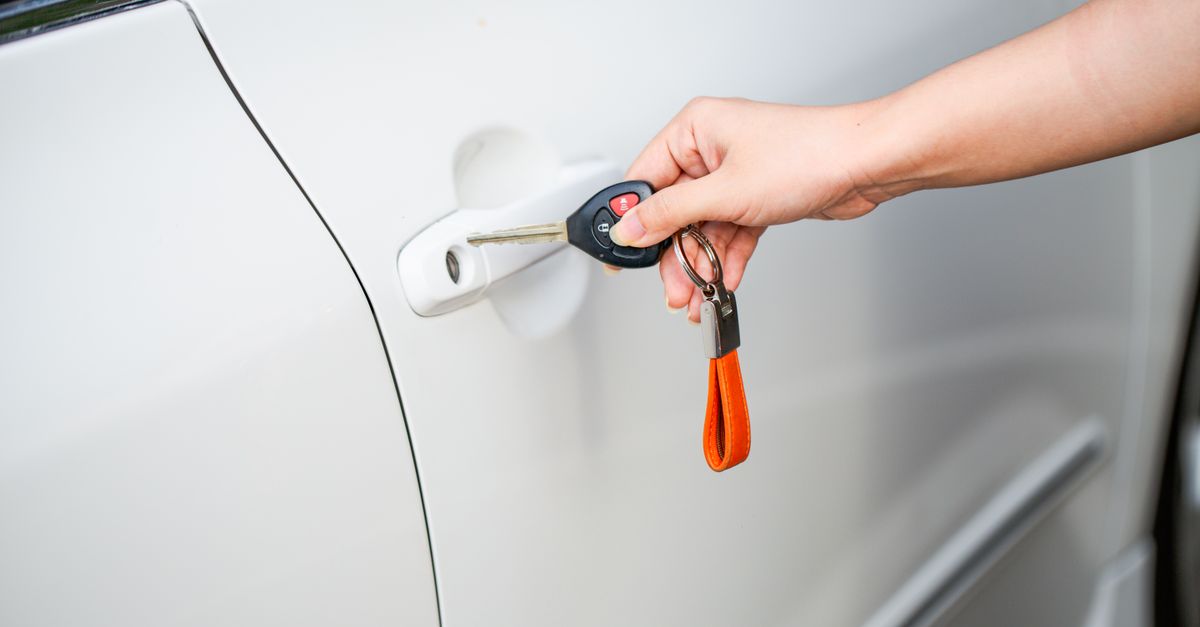
Modern vehicle keys are far more than a mechanical blade. A standard transponder key contains a microchip that must be paired to your car's ECU; a key fob or proximity smart key adds rolling-code radio communication on top of that. When we perform a car key replacement, the process involves three distinct stages: precision cutting of the key blank to your vehicle's specific bitting code, transponder chip programming so the immobilizer recognizes the new key, and where applicable, remote or proximity pairing so lock, unlock, trunk, and panic functions all work correctly. We do all three stages roadside, in your driveway, or in any parking lot in Manhattan Beach — no dealer visit required.
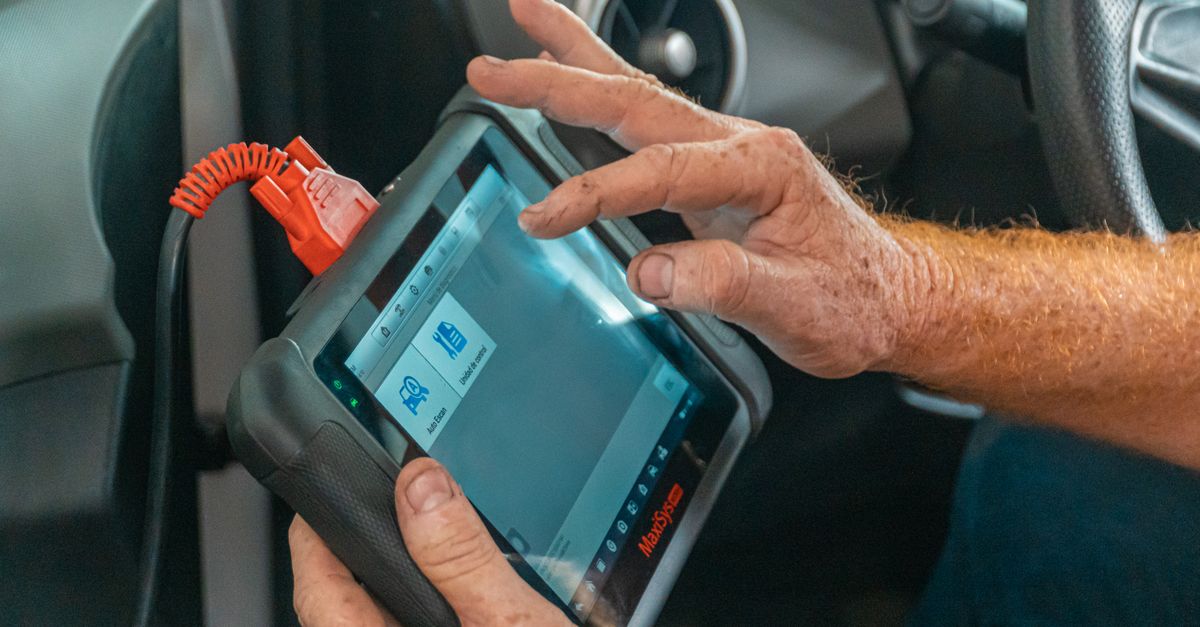
The make and model of your vehicle dictates every variable in this process. A 2015 Honda Civic uses a different transponder protocol than a 2020 Honda Accord. A Ford using PATS (Passive Anti-Theft System) requires on-board diagnostic access with specialized J2534 pass-through hardware. A Lexus smart key needs proximity-sensor calibration in addition to standard pairing. Our technicians train specifically on multi-brand procedures, which is why we can handle domestic brands like Chevrolet, Ford, Dodge, and Chrysler alongside European makes such as BMW, Mercedes-Benz, Audi, and Volkswagen, and Japanese brands including Toyota, Honda, Nissan, Subaru, and Mazda.