What Is a Mortise Lock and Why Commercial Doors Depend on It
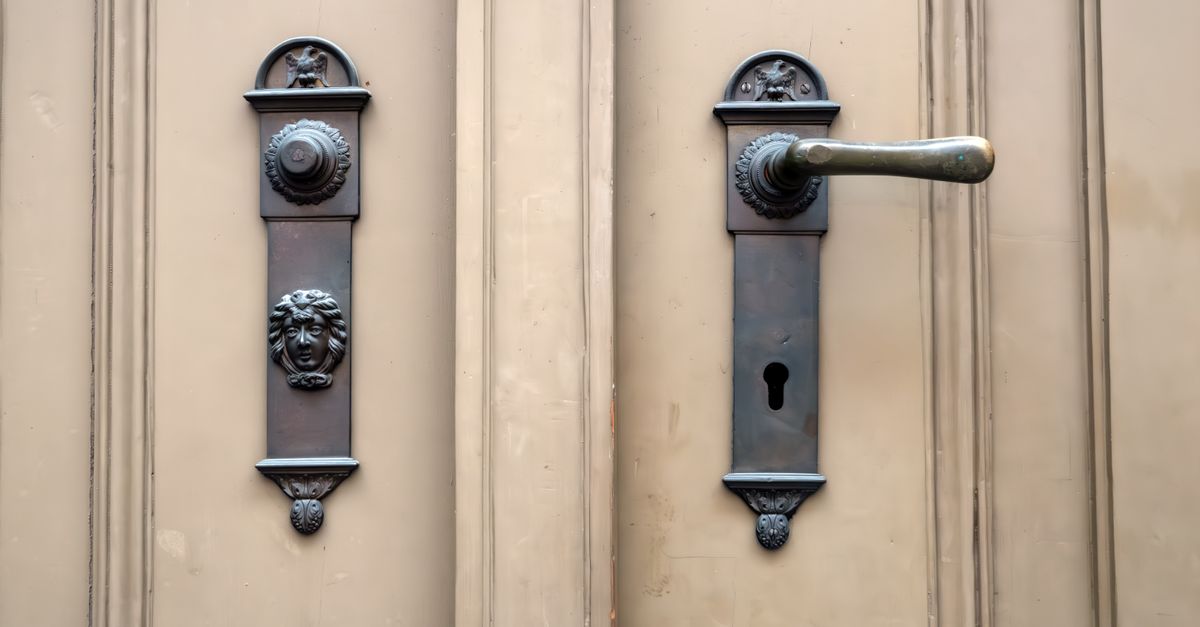
A mortise lock gets its name from the mortise — the precisely cut rectangular pocket routed into the door stile that houses the lock body. The mechanism sits flush inside the door rather than sitting on top of it, which dramatically increases resistance to kick-in and pry attacks. The lock body typically controls a latch bolt, a deadbolt, and an auxiliary bolt simultaneously, and it interfaces with a separate mortise lock cylinder threaded into the face of the door. That cylinder can be replaced or rekeyed independently of the entire lock body, which is one of the reasons facilities managers across Manhattan Beach favor this architecture for tenant turnover. Brands like Corbin Russwin mortise lock hardware and Baldwin mortise lock products dominate commercial specifications because of their long service lives and the wide availability of replacement cylinders and trim.
Mortise locks also provide flexibility that cylindrical locksets cannot match. The same mortise lock body can accept a wide range of trim functions — classroom, storeroom, office, hotel — simply by swapping the chassis or the cylinder plug. For high-traffic entries such as those found in Manhattan Beach's beachfront hotels near the Pier or the medical offices off Sepulveda, that modularity means the door hardware can evolve as security policies change without replacing the entire door prep. Our technicians understand these function codes and can identify the correct replacement body or cylinder on the spot.