Why Keys Snap — and Why the Lock Type Changes Everything
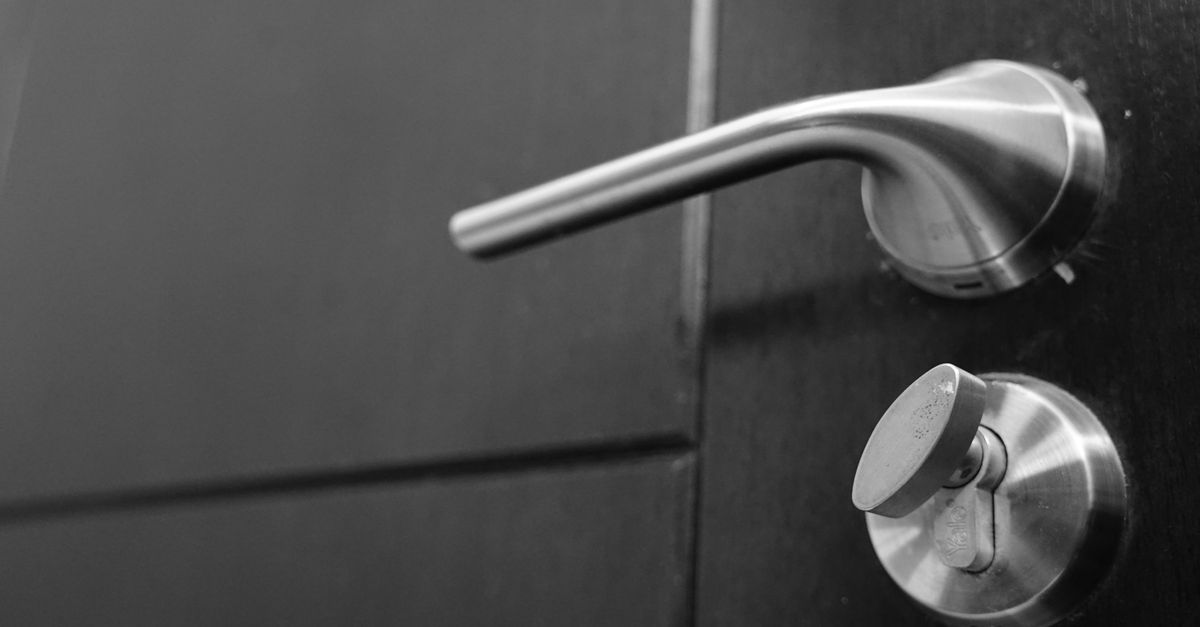
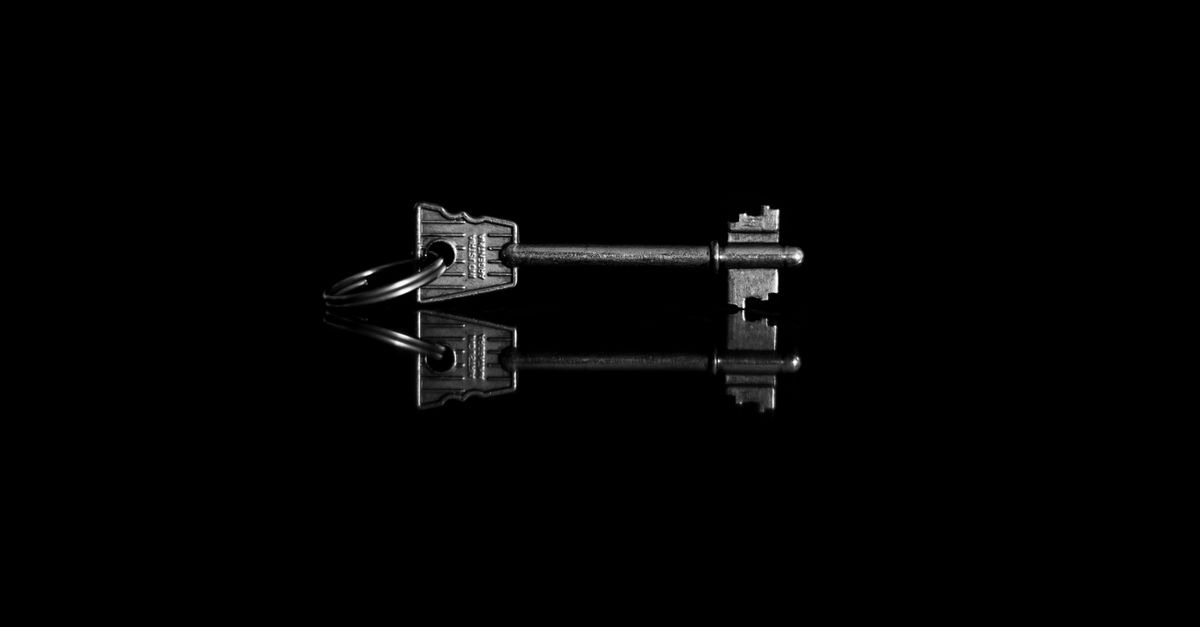
Keys break for predictable reasons: metal fatigue from years of daily use, a key that was duplicated from an already-worn original, a lock cylinder that has not been lubricated and puts extra resistance on the blade, or the simple physics of forcing a key that does not quite seat correctly. What is less obvious is that the break point and the depth of the fragment inside the keyway vary enormously depending on the lock design. A standard door knob lock has a relatively shallow keyway and a small cylinder diameter, which often makes extraction more straightforward. A deadbolt, particularly a high-security model, may have a longer keyway and tighter pin tolerances, meaning the fragment can be wedged tightly against the driver pins. A mortise lock — the type set into a rectangular pocket cut into the door edge, common in pre-1980s Manhattan Beach multi-family buildings and in commercial storefronts — presents its own challenges because the cylinder sits within a larger mortise case, and any mishandling can damage the case mechanism itself, not just the cylinder.
This is why our technicians assess the lock type before choosing an extraction method. We use hook picks, broken-key extractors, and needle-nose tools sized specifically for each keyway profile. The goal is always damage-free removal: getting the fragment out without scarring the cylinder walls, bending the pins, or cracking the plug. In many cases, the lock can be saved entirely, re-keyed on the spot, and put back into full service within the same visit.