Single-Cylinder vs. Double-Cylinder Deadbolt Installation — Choosing the Right Fit
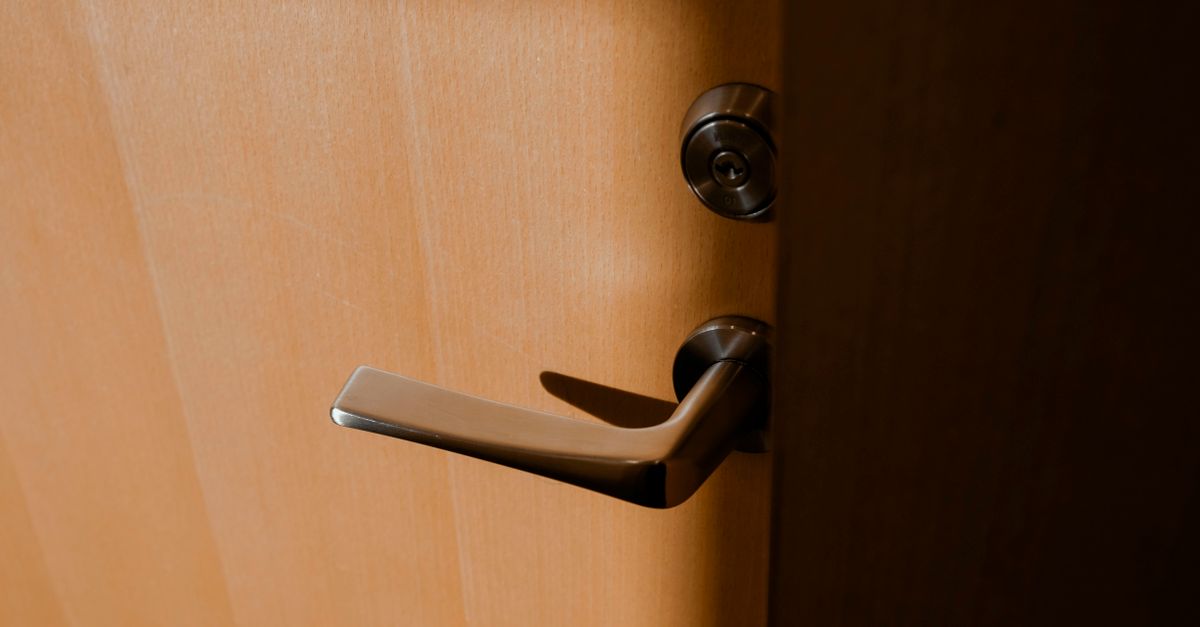
A single-cylinder deadbolt is the standard on most residential exterior doors: a key operates the exterior side while a thumb-turn handles the interior. It is fast to exit in an emergency and meets the egress requirements that most Manhattan Beach homeowners and their insurance carriers expect. A double-cylinder deadbolt requires a key on both sides, which raises the security ceiling significantly for doors that contain glass panels or sidelights — a common design feature in the area's coastal craftsman and contemporary homes — because reaching through a broken pane to flip a thumb-turn is no longer an option. Our technicians walk you through the trade-offs before any hardware is ordered or installed, so the choice reflects your actual door construction, household habits, and local building code considerations rather than a generic recommendation.
Beyond the cylinder count, installation quality determines how well any deadbolt actually performs. A bolt that does not fully engage the strike plate, a strike plate backed by short screws, or a misaligned bore that forces the bolt to drag — these are the failure points that compromise security long before the lock itself wears out. Our technicians drill to manufacturer tolerances, align the bolt and strike with precision, and use 3-inch structural screws on the strike plate to anchor it into the door's stud framing rather than just the jamb casing. The result is a deadbolt that operates smoothly for years and resists the kick-in and pry attacks that are the most common residential forced-entry methods.